Looking is not seeing.
….Yep, that’s the tweet.
In all actuality though, in the two weeks that I’ve been in Visual Communications, I’ve learned a lot from the class…..and something tells me this will continue to be the case.
On the very first day we were given a brief presentation on the importance of seeing—and why and how people are able to take in so much more visually as opposed to any other sense. For example, something that has grown tremendously over the past decade is YouTube. The website has given hundreds of people the opportunity to find a new source of income that isn’t your traditional 9-5, allowed people to voice growing concerns, and in some cases even saved lives. From kids all the way to adults, numerous people have had their lived changed immensely on this platform, and created better opportunities for themselves—some they arguably would’ve never gotten if they hadn’t found it.
However, my point here is that YouTube is a life changer for a reason—people subscribe and give other people views and money for their visually pleasing content. They want to hear these creators of course, but more importantly they want to watch them. See them for who they really are.
This is a realization I came to after our class, when we talked about the importance of visual communication and your audience being able to communicate with you visually.
So what have I learned about using my own eyes? Well for one, I’ve learned that there’s a huge difference in looking and seeing (yep, here’s the part where the first line comes back around for its captivating conclusion).
In class, we did a brief exercise where we interviewed a person for about five minutes. And then, four volunteers (two groups that had interviewed each other) were called to the front. One was blindfolded for each group, while the other answered questions about their partner’s physical appearance.
Needless to say, while they got a few things right, they got quite a bit wrong (and I’m just glad it wasn’t me).
Regardless, one wouldn’t necessarily think this each person had just spent five minutes looking at the other. However, one thing to realize is that we consume so much content visually every day, we’re really just taking in things at a surface look—merely looking at people and objects but not noticing the details because again, this is all surface level.
*Drops mic*
In fact, the whole “looking and not seeing” concept is also centered around an entire phenomenon known as the “Mandela Effect” which refers to when people remember things inaccurately. It’s the reason why you might look at three different Target logos and not remember which one is the right one, or some type of popular sign and recall it being different from what it truly is. Everything is attributed to the fact that again, we take in so much visually that we’re not really remembering things for their details and what they are, but rather our brains are picking up logos, signs, and even people based off the main things—colors, certain distinguishable features, etc.

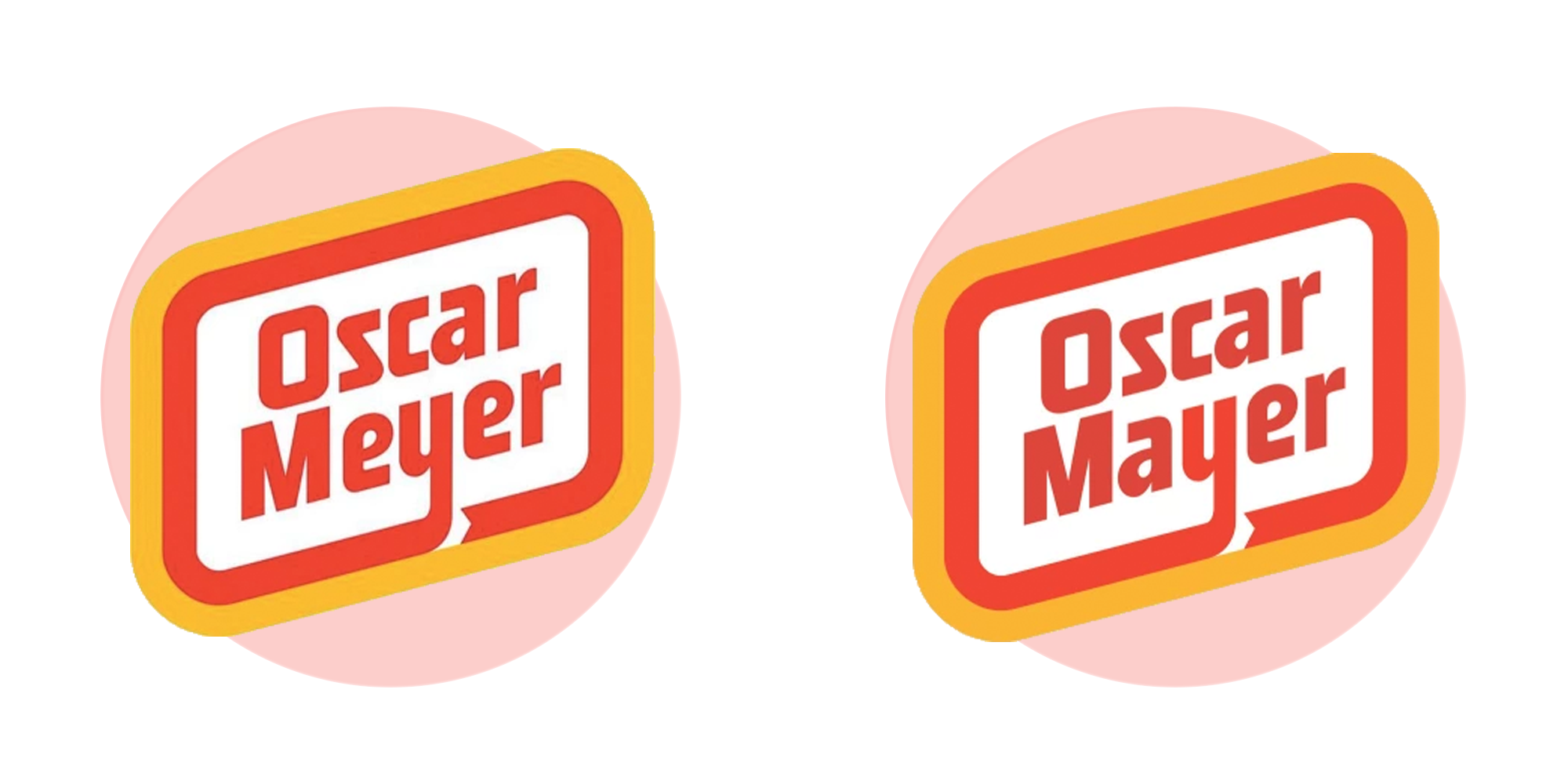

Moral of the story is this: As imperative as our eyesight is, we don’t really use it to our full potential. Through this class, I hope I’m able to utilize the ability to really see things better than even and use it to my advantage to create engaging contents for others to see as well.
Thanks for coming to my Ted Talk!!! And check out my vlog below!

